Canine osteoarthritis: symptoms, causes and solutions
Canine osteoarthritis: causes, symptoms and solutions to preserve mobility. Understand, detect early and act to relieve joint pain naturally.
Pauline Durepaire
Published in
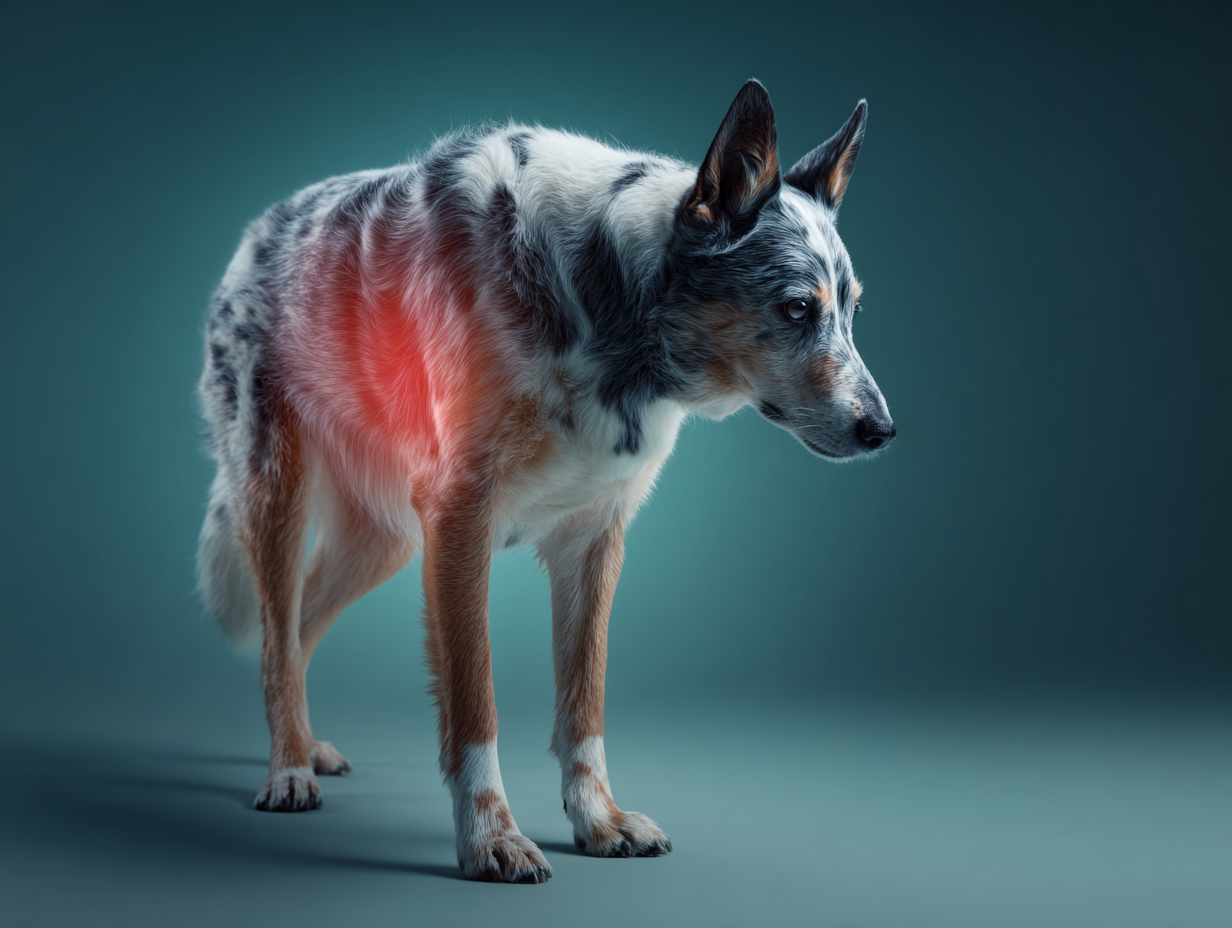
Dog Joint HealthOsteoarthritis is a chronic, progressive joint condition that affects many dogs, especially from middle age onwards. It is estimated that one in two dogs over the age of 8 shows signs of osteoarthritis, sometimes without their owner realising.
This condition corresponds to degeneration of the joint cartilage, the smooth, flexible tissue that covers the ends of the bones and allows them to glide without friction.
As the cartilage thins, the bones eventually come into direct contact: this abnormal friction causes pain, inflammation and loss of mobility.
Canine osteoarthritis is not an inevitable part of ageing. It results from a complex imbalance between mechanical wear, inflammation and the cartilage's ability to repair itself. The good news: the earlier you act, the more you can slow its progression.
What is osteoarthritis in dogs?
Osteoarthritis is a chronic joint disease that causes progressive breakdown of cartilage, the smooth tissue that covers the ends of the bones and allows joints to move without friction.
As this cartilage wears away, the bones gradually come into contact. This friction triggers an inflammatory response that leads to pain, stiffness and loss of mobility. Over time, the joint may also develop bony outgrowths (osteophytes) that further limit movement.
What happens inside the joint
Imagine a metal hinge that is no longer oiled: it creaks, catches and wears out. In a dog's joint, the same phenomenon occurs on a biological scale.
- The cartilage thins and loses its shock-absorbing properties.
- Microscopic debris breaks off and irritates the synovial membrane.
- This membrane reacts by producing inflammatory molecules (cytokines, prostaglandins).
- Inflammation leads to pain, swelling and stiffness.
- The bone then reacts by forming small outgrowths (osteophytes), which limit mobility.
It is a vicious cycle: pain → inflammation → breakdown → pain.
Although osteoarthritis is more common in older dogs, it can appear at any age following dysplasia, trauma, excess weight or excessive strain on the joints. Osteoarthritis is a progressive disease that cannot be cured.
However, early management often helps slow its progression, preserve joint health and improve the dog's quality of life.
Recognising the early signs?
At first, symptoms may be subtle. The dog compensates, slightly changes the way it walks, or simply moves a little less. Then the discomfort becomes more visible.
Signs of canine osteoarthritis
- Morning stiffness that improves after a few steps
- Mild lameness after a walk or play session
- Reluctance to climb stairs or jump into the car
- Tiring more quickly, with less desire to play
- Repeated licking of a joint
- Changes in behaviour
In certain breeds, such as the Labrador, Golden Retriever or German Shepherd, these signs often appear from maturity onwards. But even small or mixed-breed dogs can be affected, especially if they are overweight.
What matters is observing your dog closely in everyday movements: a simple slowdown or an unusual posture can be an early sign of joint discomfort.
Veterinary diagnosis
A dog that is lame or shows persistent stiffness should always be seen by a vet. After a clinical examination, they may recommend further tests:
- X-rays to visualise the joint space and osteophytes;
- MRI or CT scans to assess soft tissues and cartilage;
- sometimes synovial fluid analysis to confirm inflammation.
Diagnosis helps assess severity and tailor the management strategy:
- anti-inflammatories during painful flare-ups,
- functional rehabilitation,
- joint supplements or enriched diet,
- lifestyle advice suited to the dog's age and breed.
What causes canine osteoarthritis?
Canine osteoarthritis generally results from several factors that gradually weaken the joints. While ageing promotes its onset, it is not the only cause. Genetic predisposition, joint abnormalities or an unsuitable lifestyle can also accelerate cartilage breakdown.
Ageing joints
With age, cartilage gradually loses elasticity and regenerates less effectively. Joints become more sensitive to mechanical stress, making pain and stiffness more likely.
Genetic predispositions
Certain breeds are more prone to joint problems: the Labrador Retriever, Rottweiler, German Shepherd, Bernese Mountain Dog and Dogue de Bordeaux are more likely to have fragile hips or elbows.
These predispositions are often linked to growth abnormalities such as dysplasia, which create joint misalignment.
Excess weight
This is one of the major aggravating factors. Every extra kilo puts additional pressure on the joints. Over the long term, this mechanical overload accelerates wear and inflammation.
Veterinary studies show that a dog kept at a healthy weight lives longer and has less joint pain at the same age.
Dysplasia and other joint diseases
Dysplasia, ligament injuries or certain joint malformations cause the joint to function poorly. This premature wear accelerates cartilage breakdown and promotes the development of osteoarthritis.
Trauma and physical activity
A fracture, sprain, cruciate ligament rupture, joint surgery or repeated microtrauma in sporting dogs can lead to early osteoarthritis.
Even when some factors cannot be avoided, early management, a suitable diet, maintaining an ideal weight and regular physical activity can reduce the risk of onset and slow the progression of osteoarthritis.
How to relieve an arthritic dog day to day?
Relieving a dog with arthritis calls for a holistic approach. No single measure can stop the disease from progressing on its own, but combining good habits can reduce pain, preserve mobility, and improve their quality of life in the long term.
Maintain appropriate physical activity
Contrary to popular belief, an arthritic dog should not stay at rest. Regular walks at a moderate pace help maintain the muscles that support the joints while limiting stiffness. Low-impact activities such as swimming or hydrotherapy are also particularly beneficial.
Adapt their environment
A few simple adjustments can reduce strain on the joints: install non-slip mats, use a ramp to get into the car, avoid stairs where possible and provide a comfortable resting area.
Focus on a suitable diet
Diet is one of the most effective levers for supporting a dog with osteoarthritis. Maintaining an ideal weight reduces pressure on the joints, while an adequate intake of quality protein, antioxidants and marine omega-3 fatty acids, particularly EPA and DHA, helps modulate inflammation and support cartilage. Several clinical studies have shown that omega-3 fatty acids improve mobility and comfort in arthritic dogs.
Relieve joints naturally
Alongside veterinary care, certain nutritional supplements rich in marine omega-3 fatty acids, green-lipped mussel oil, massage, physiotherapy or animal osteopathy can help improve the dog's comfort and mobility.
The role of nutrition and Omega-3
Nutrition plays an essential role in managing canine osteoarthritis. While it cannot repair already damaged cartilage, a suitable diet can help limit inflammation, preserve mobility and sustainably improve joint comfort.
Among the most studied nutrients, marine omega-3 fatty acids, especially EPA (eicosapentaenoic acid) and DHA (docosahexaenoic acid), are now those whose effectiveness is best demonstrated. Several clinical studies have shown that they help reduce pain, improve mobility and support quality of life in dogs with osteoarthritis.
The most valuable sources of omega-3 fatty acids are marine oils, especially green-lipped mussel oil (Perna canaliculus) and microalgae oil, naturally rich in EPA, DHA and other bioactive lipids studied for their action on the joints.
To provide these nutrients daily, some joint supplements combine highly concentrated green-lipped mussel oil with marine omega-3 fatty acids to naturally support dogs with joint pain.
Discover PERNIXOL® for dog joints
Developed by Laboratoire Sensilia, PERNIXOL® is a dietary supplement for dogs rich in New Zealand green-lipped mussel oil and fermented microalgae oil, two highly concentrated sources of marine omega-3 fatty acids. Its formula helps support the joints, preserve mobility and support dogs with joint problems.


FAQ
Conclusion
Osteoarthritis is one of the most common joint diseases in dogs, but early management often helps slow its progression and improve long-term comfort. By combining veterinary care, appropriate physical activity, a balanced diet and nutrients with proven effectiveness, such as marine omega-3 fatty acids and green-lipped mussel oil, it is possible to help your dog maintain good mobility for longer.
Whether you want to recognise the early signs, prevent osteoarthritis or discover the most suitable solutions, find all our guides below to support your dog at every stage of life.
All our guides on canine osteoarthritis

Recognising the signs of osteoarthritis
My dog is limping: osteoarthritis or something else?
Osteoarthritis or dysplasia: what are the differences?
Dog breeds most affected by osteoarthritis
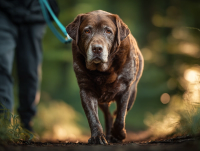
Overweight dog and joint pain: what can you do?

Preventing osteoarthritis in dogs

Diet for an arthritic dog
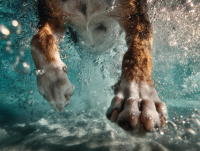
Natural solutions for osteoarthritis
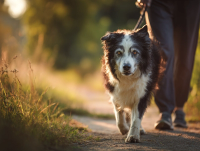
Gentle exercises to relieve an arthritic dog
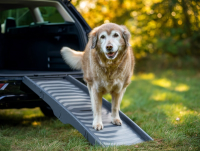
Adapting daily life for an arthritic dog

Omega-3 (EPA+DHA)

Green lipped mussel oil (Perna canaliculus)
This article was written by the R&D team at Laboratoire Sensilia, experts in animal nutrition.



